Spaces speak in silence.
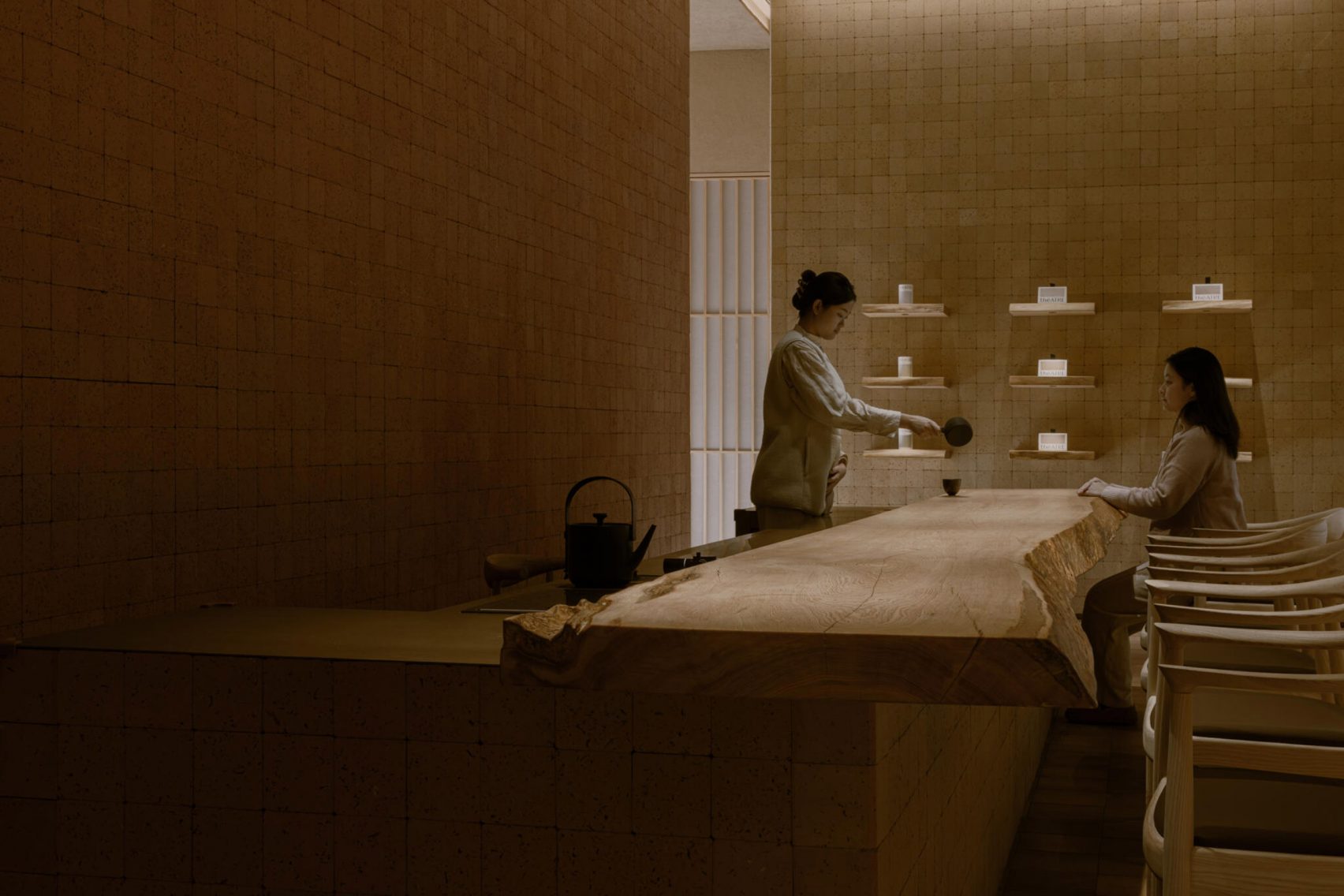
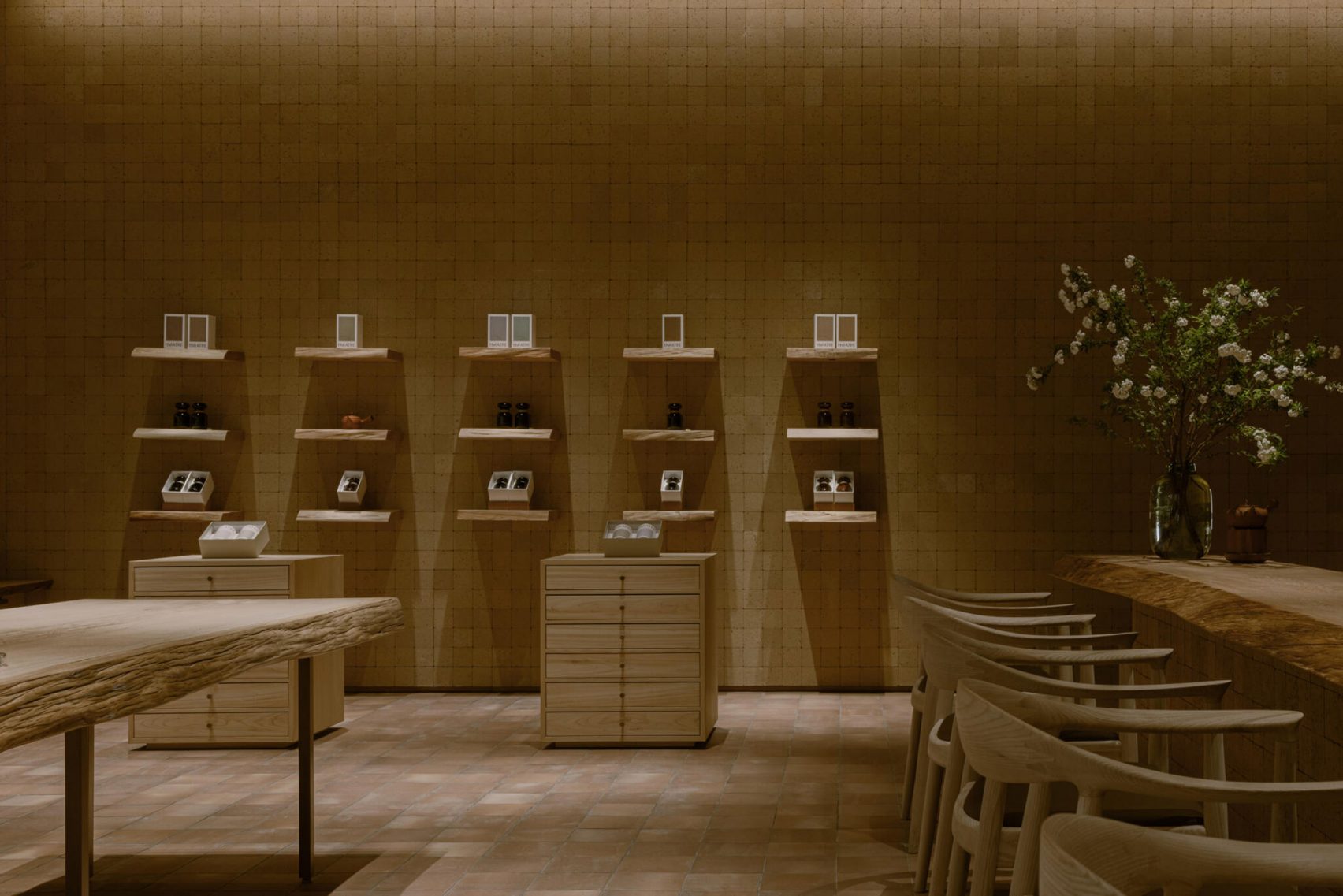
They greet us not with words, but with weight, light, and proportion. A dim corridor might narrow thought; a high ceiling can expand it. Stone steadies, glass reveals, timber warms.
Architecture is never neutral — it carries atmosphere, memory, possibility. A chair angled to a window suggests pause. A doorway opening to a garden promises release. Even the absence of ornament — restraint — can feel like generosity.
Design at its best is less about form than about feeling. It asks:
What mood should linger here?
What memory should take root?
What kind of living might unfold within these walls?
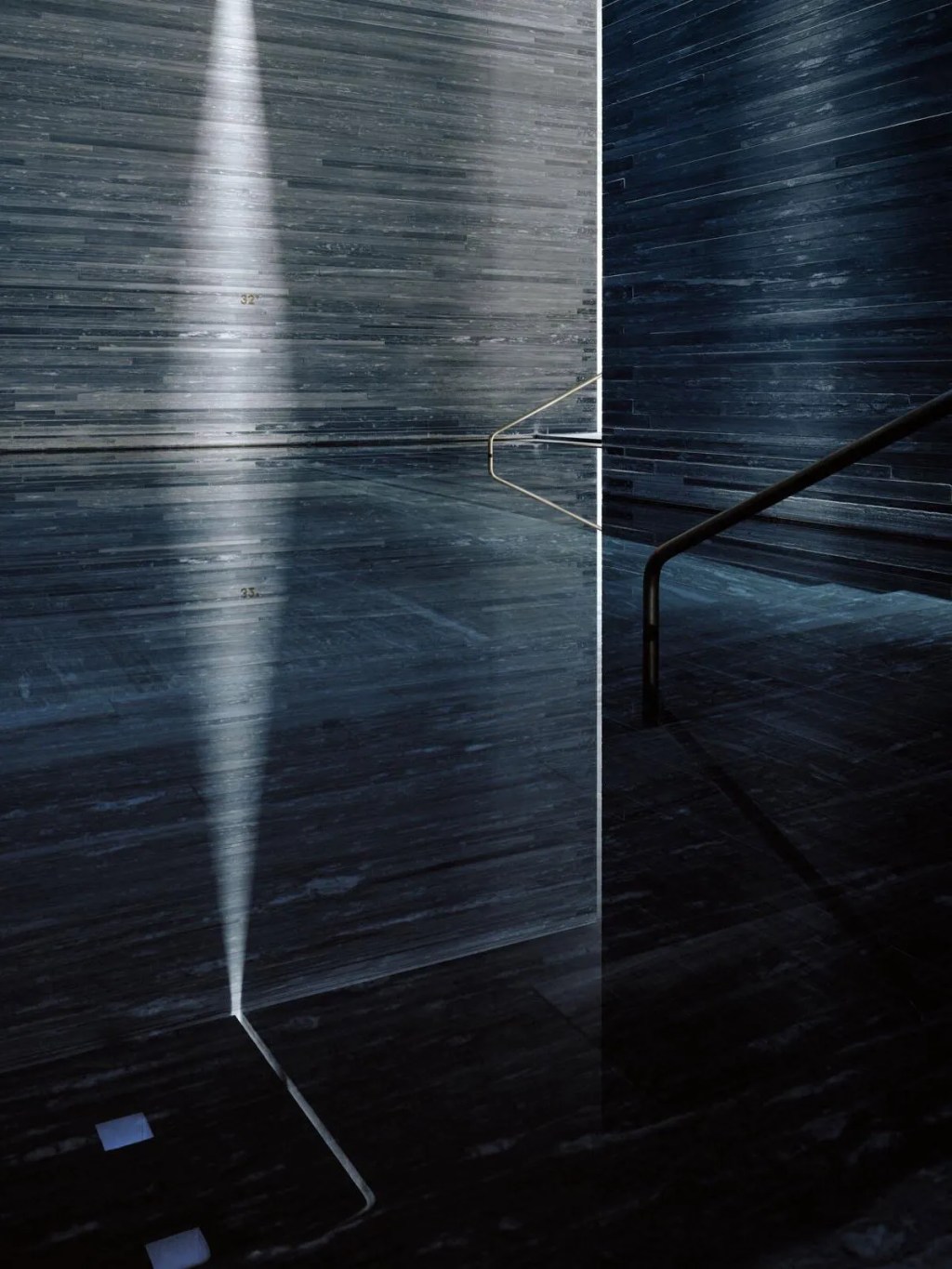
Some spaces are monumental, like Louis Kahn’s concrete buildings or Peter Zumthor’s Therme Vals in Switzerland, where light itself becomes structure. Others are intimate, like a Japanese teahouse, where architecture becomes ritual. But the principle is the same: when we design for emotion, we design for wellbeing.
A space that holds stillness can restore us.
A space that sparks curiosity can enliven us.
The best spaces do both — they give us room to breathe.
Because long after the materials fade, we remember how a place made us feel.
To design for emotion is to recognise that wellness is not an afterthought, but a foundation.
Photography by Keishin Horikoshi.